

Cold Water Swimming in Estonia: A National Tradition of Resilience
When winter arrives in Estonia, temperatures drop below freezing, lakes and coastal waters begin to ice over, and many people retreat indoors. Yet for a growing number of Estonians, winter marks the beginning of one of the country’s most invigorating traditions: cold water swimming.
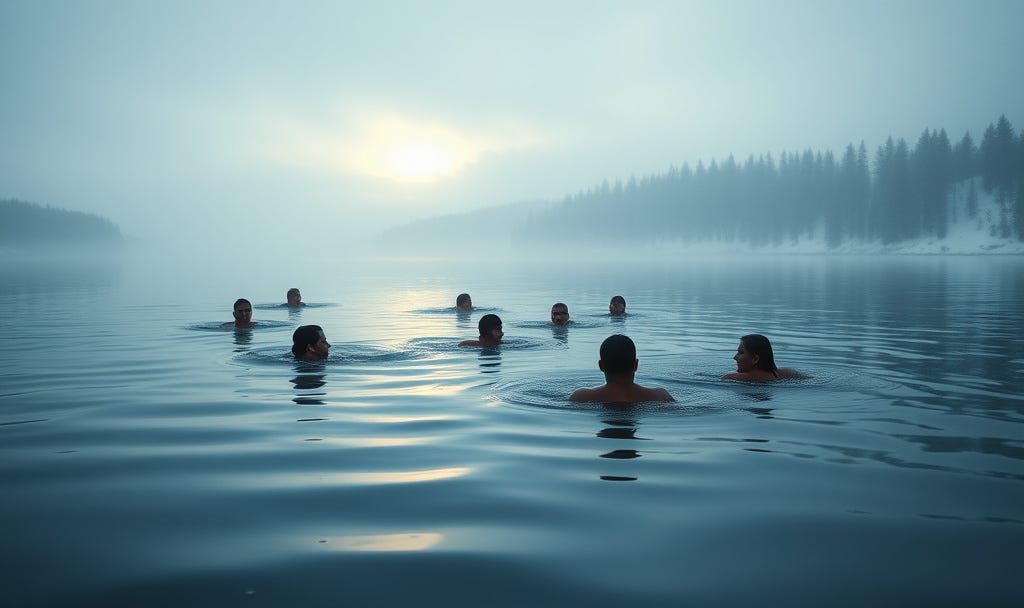
Known as winter swimming or ice swimming, the practice involves entering cold natural waters during the autumn and winter months, often after spending time in a sauna. While the idea may sound extreme to outsiders, cold water swimming has become a cherished part of Estonian culture, combining physical challenge, mental wellbeing, and a deep connection with nature.
A Tradition Rooted in Nordic Culture
Estonia’s relationship with cold water is closely linked to its long-standing sauna culture. For centuries, people have alternated between the intense heat of a sauna and the shock of cold air, snow, or icy water. This contrast is considered both refreshing and restorative.
Today, winter swimming is more popular than ever. According to Estonian tourism sources, a significant portion of the population regularly participates in cold water activities during the winter months. Dedicated swimming clubs can be found across the country, particularly in larger cities such as Tallinn and Pärnu.
What Is It Like?
A typical winter swimming session begins with warming up, either through light exercise or a visit to a sauna. Swimmers then enter water that can be as cold as 1°C during the harshest months of winter. Some simply immerse themselves for a few seconds, while experienced enthusiasts may stay in the water for several minutes.
The initial sensation is intense. The cold triggers rapid breathing and a surge of adrenaline. However, regular swimmers often describe a feeling of calmness and clarity once they become accustomed to the experience. Many report a sense of accomplishment and renewed energy that lasts long after leaving the water.
Health and Wellbeing
Advocates of cold water swimming believe it offers a range of physical and mental benefits. Research suggests that brief cold exposure may help improve circulation, stimulate the body’s stress-response systems, and enhance mood through the release of hormones such as dopamine and norepinephrine. Some swimmers also report reduced stress levels and increased resilience during the winter months.
However, experts caution that scientific evidence remains mixed. Some of the benefits may come from related factors, including spending time outdoors, social interaction, and the psychological rewards of overcoming a challenge. Safety is also important, as sudden immersion in cold water can place significant strain on the body. Beginners are advised to start gradually and always swim with others.
Winter Swimming Destinations
Estonia has developed several facilities specifically designed for safe winter swimming. The HUUM Winter Swimming Centres in Tallinn and Pärnu provide changing rooms, safe access points, ladders, and, in some locations, saunas. These facilities allow both newcomers and experienced swimmers to enjoy cold water immersion in a controlled environment.
In Tallinn, clubs such as Noblasulps and Lennusulps have built thriving communities around the activity. Members gather regularly throughout the year, demonstrating that winter swimming is not merely a seasonal challenge but a lifestyle.
More Than a Sport
For many Estonians, cold water swimming is about more than physical fitness. It reflects a broader cultural appreciation for nature, endurance, and simplicity. Standing beside a frozen Baltic shoreline or stepping into a hole cut through lake ice offers a rare opportunity to disconnect from daily distractions and focus entirely on the present moment.
This connection to nature is central to Estonia’s identity. The country’s forests, lakes, and coastline provide a dramatic backdrop for winter swimming, transforming what might seem like an extreme activity into a meaningful ritual.
Cold water swimming has become one of Estonia’s most distinctive winter traditions. Combining ancient sauna customs with modern wellness culture, it attracts everyone from curious beginners to dedicated athletes. Whether pursued for health, adventure, or personal growth, the practice embodies qualities often associated with Estonia itself: resilience, self-discipline, and a profound respect for the natural world.
For visitors willing to take the plunge, an icy swim in Estonia may be one of the most memorable experiences the country has to offer.
Thanks for reading Estonia Guide! Subscribe for free to receive new posts and support our work.